City Health tucks into food safety
07 June 2024
World Food Safety Day is celebrated worldwide annually on June 7. The theme this year is ‘Food safety: prepare for the unexpected’. The intent is to promote awareness and encourage steps to prevent, detect and manage foodborne risks. This then contributes to food security, improved public health, economic viability, increased consumer confidence, enhanced food safety culture and food quality, among other benefits.
Food safety incidents are situations where there is a potential or confirmed health risk associated with food consumption.
A food incident can happen due to accidental contamination, inadequate food processing controls, extreme weather events, natural disasters, food fraud or natural events.
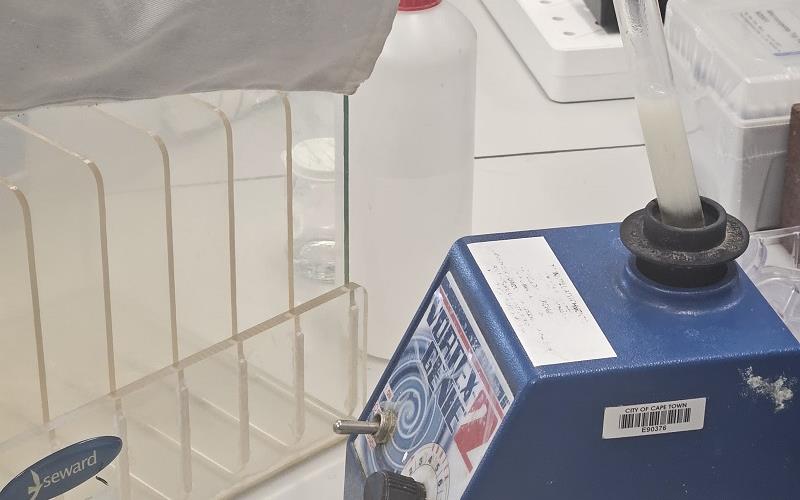
In Cape Town, the City's 197 Environmental Health Practitioners (EHPs) are mandated to enforce relevant food-related legislation and to advocate and promote for safe food handling practices at all food handling premises; from manufacturing facilities to retail premises to informal traders, thereby ensuring the health and safety of consumers.
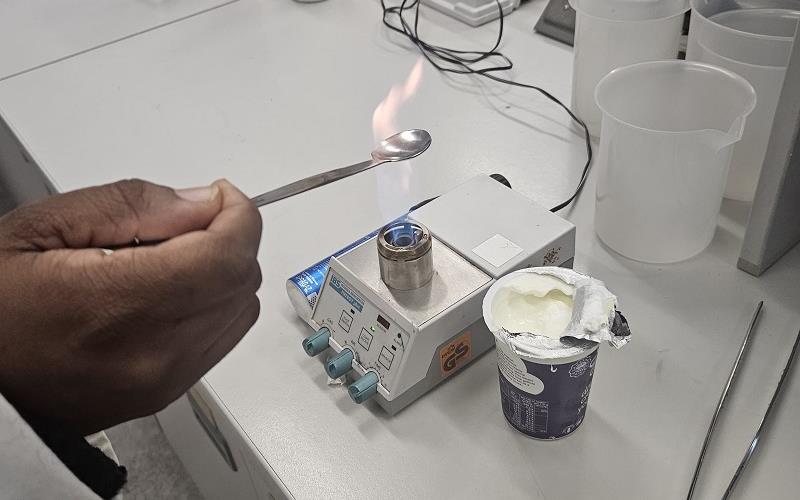
They conduct regular audits and inspections of food handling premises and take food samples at these premises to ensure the microbiological and chemical composition of foodstuffs sold at these premises meet the relevant food safety standards.
In the current financial year, the City's EHPs have conducted over 25 000 inspections (July 2023 – May 2024) at food handling premises and taken 4 605 food samples for microbiological analysis.

The City's Food Laboratory has conducted nearly 17 000 analyses on a variety of foodstuffs and dairy products, testing for compliance with relevant food standards.
'For the general population, there is seldom a second thought given to the safety of the food we purchase, whether off the shelves, from our favourite takeaways or ordering at a restaurant. And that is how it should be. Our Environmental Health Practitioners do the hard work so that the rest of us don't have to. On World Food Safety Day, I want to applaud their efforts for helping to keep Cape Town safe.
'Foodborne illness can have devastating results, and the fact that we have such a low incidence rate in our city speaks volumes to the work happening behind the scenes, and the many food premises who understand that safety and proper management of your products is how you keep your customers. However, we cannot afford to let our guard down as it is known that foodborne illness is generally under reported. It is vital to be prepared for unexpected food safety incidents, and know what to do in such instances,' said Mayoral Committee Member for Community Services and Health, Councillor Patricia Van der Ross.
How can we address unexpected food safety incidents?
It is vital to be prepared for these unexpected events and everyone must be a 'risk manager'.
Governments must develop or update national emergency response plans for food safety, increase surveillance capacities and improve/enhance communication and collaboration with food businesses and the public.
Food businesses must improve food safety management plans, and collaborate with each other to ensure food safety.
Consumers must know how, and where, to report or respond to food safety incidents at home.
Here are some key ways consumers can prepare for unexpected food safety incidents at home:
- Maintain proper food storage: Ensure your refrigerator and freezer are functioning well and keep them at the right temperatures (below 5°C for the fridge and -18°C or colder for the freezer). Have a thermometer in both appliances to monitor the temperatures.
- Have a plan for power outages: Keep an appliance thermometer in the refrigerator and freezer. In the event of a power outage, the thermometer will indicate if the food is at a safe temperature. Freeze water in plastic containers to help keep food cold if the power goes out. For further guidance, consult our guide on food safety tips during load-shedding here: https://bit.ly/3K0Idq3
Practice good hygiene: Wash your hands frequently with soap and clean water for at least 20 seconds, especially before handling food. Clean all surfaces and utensils used for food preparation. Separate raw and cooked foods to prevent cross-contamination.
- Cook food thoroughly: Use a food thermometer to ensure meat, poultry, seafood, and egg dishes reach a safe internal temperature. Bring sauces, soups, and gravies to a boil when reheating.
- Be aware of food recalls: Monitor news and announcements about food recalls due to potential contamination. Return any recalled products immediately.
- Learn about food allergies: If you or someone in your family has a food allergy, be aware of the symptoms and have an action plan ready. Always read food labels carefully to avoid allergens.
- Educate yourself: Stay informed about food safety by visiting reliable sources like the World Health Organization's World Food Safety Day website. Encourage your family to learn about food safety as well.
- Any food safety concerns can be logged with City Health via the City's e-services portal Visit: www.capetown.gov.za/servicerequests
End
Published by:
City of Cape Town, Media Office